
What is SEO?
What is SEO?
You may see this term frequently and wonder what SEO actually means or why it matters.
SEO, or Search Engine Optimisation, is the process of improving a website so that search engines can understand and discover it. It includes the technical quality of the web platform, where errors should be avoided and pages need a clear definition, as well as the written information found throughout the site.
What can this work produce?
It can increase both the quantity and quality of organic website traffic.
You may have encountered claims that SEO is outdated and websites no longer need to be optimised for search engines. That is not the case: search engine optimisation remains active and relevant, although its methods continue to evolve.
Content comes first when a website is written and built. We ultimately write for people, not robots. But when we are already producing useful content, structuring it so that search engines can understand it helps that information become discoverable. Imagine a search engine as a young learner that needs clear, specific information.
The following sections explain several concrete SEO techniques and how they can support website traffic.
1. Remove website errors
Technical errors are among the important issues to address when you want search engines to crawl a website. If smaller pages linked from the homepage return errors or cannot be accessed correctly, a crawler may stop following that path and treat the site as less reliable. Discovery, authority and user trust can all suffer. Check the site regularly and, whenever a page or article moves, redirect the previous URL to the appropriate destination.
2. Improve page loading speed
People have limited patience online.
When a page takes a very long time to load, visitors may decide to close it. A business should avoid creating that experience on its own site.
How can you reduce the risk?
Begin with the format, dimensions and file size of the images you use. Oversized media can make a page unnecessarily slow even when the rest of the implementation is sound. Yoast provides a useful introduction to image SEO and explains several related improvements.
3. Pay attention to page URL structure
A URL should reflect the page it identifies. Unrelated words in the structure can confuse both visitors and search engines.
For example, a page about car parts should not use a vague URL that only says “services”. A more explicit address provides clearer information about the page.
4. Backlinks
Backlinks are one of the ways a website can develop credibility.
A backlink is a link from a page on one website to a page on another website.
When other websites link to your work, it may indicate that the information is useful. We write for people, not robots, and readers who discover high-quality material may recommend it to someone else. The principle is similar to writers citing each other or referencing useful sources.
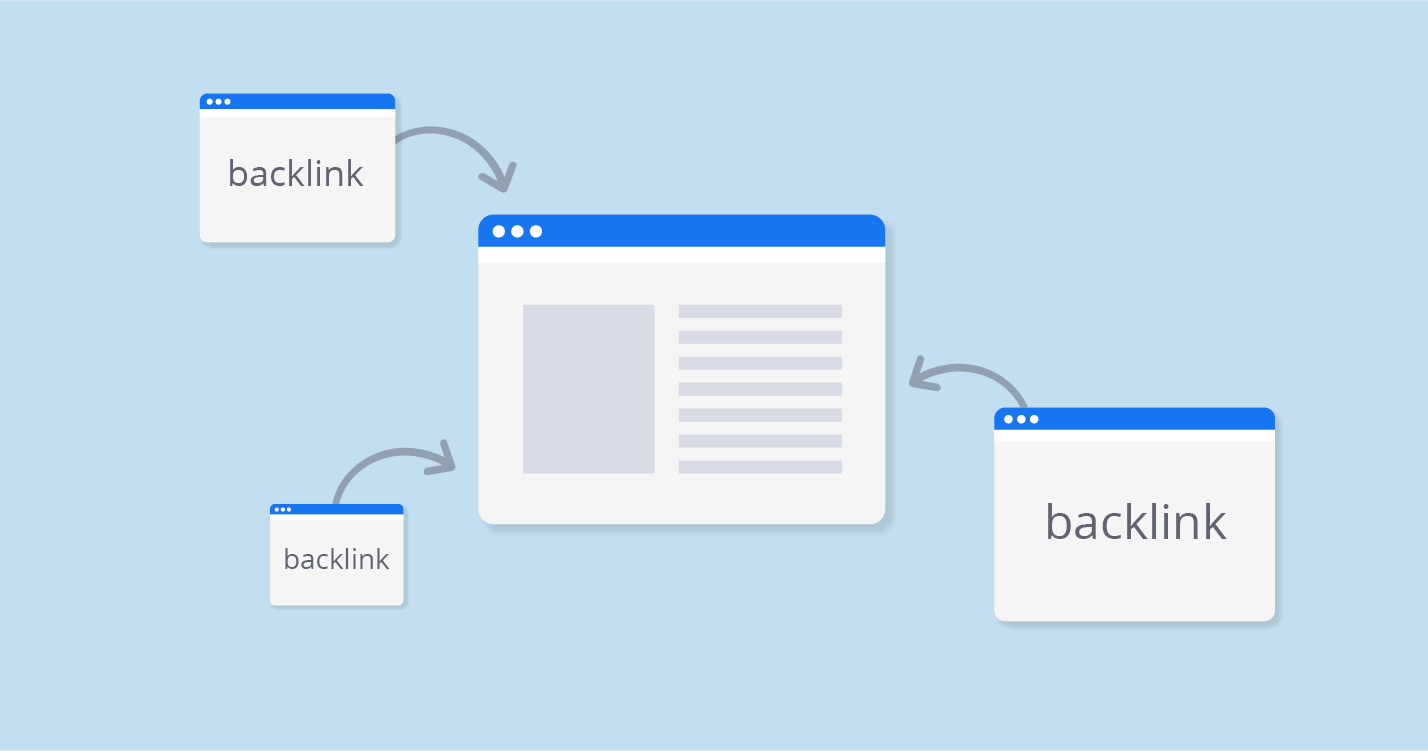
SEO backlinks
As with authors, some sources are better established than others. A relevant citation from a trusted, authoritative website can carry more value than several weak or unrelated links and can contribute to qualified traffic.
What makes a domain authoritative?
Signals can include the age and history of the domain, meaningful traffic and a body of relevant content that search engines and readers recognise. A citation from that kind of source can be materially more useful than several links from smaller or unrelated websites. Search engines evaluate links through complex systems whose early foundations included PageRank.
5. Internal links
Your website may already contain substantial useful information.
Internal links, together with clear copywriting, guide readers towards other relevant pages. They connect one resource on your site with another and help visitors continue their journey instead of reaching a dead end. The article originally related this behaviour to keeping the site's bounce rate lower.
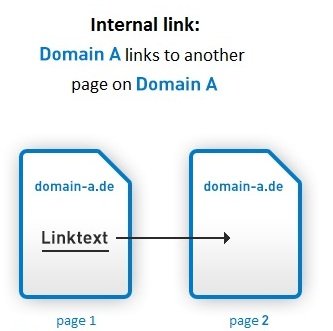
Internal links for SEO
6. Anchor text
Search engines and readers both benefit from explicit context.
Whenever you add a link, attach it to text that describes the destination. In many browsers a link appears blue and underlined. A descriptive example would be: learn more about content marketing.
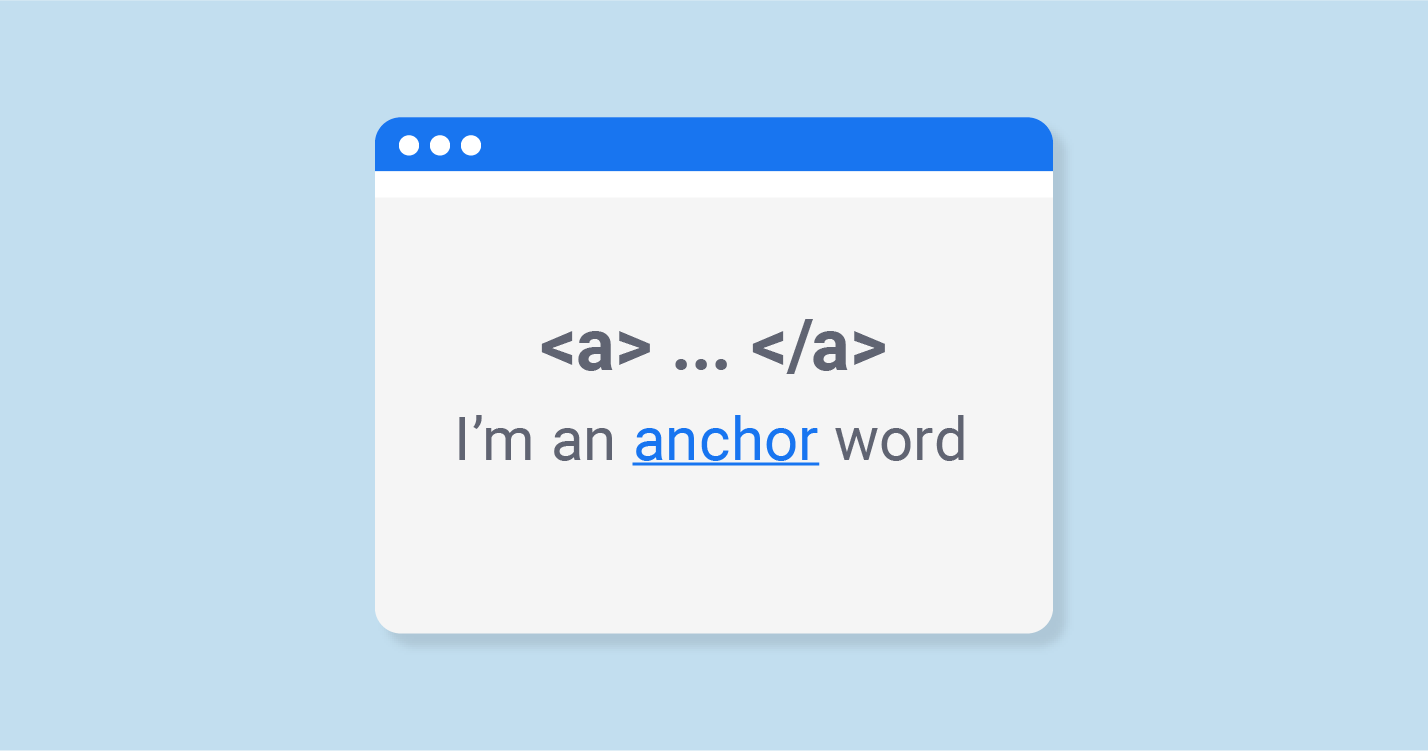
SEO anchor text
This is easier for search engines to interpret and easier for a reader to understand.
7. Search engines rely heavily on text

Website indexing
When this article was first published, it described search engines as seeing roughly 90% text and being able to recognise only limited image subjects, particularly portraits. Search technology can now interpret considerably more visual information, but text remains essential context and the image still needs to be accessible to people who cannot see it.
How can you help a search engine understand an image?
Use the HTML alt attribute to explain informative images accurately. The same principle applies to providing useful context for video.
8. Content is the most important element

Website content
People are still the ones reading, so the usefulness of the content matters most.
Search systems have become increasingly capable of estimating whether a page is relevant to its subject and useful to the person who found it. Related language helps those systems understand context. For example, words such as “banana” and “yellow” have a recognisable relationship. The algorithm can use these associations to understand that a passage is genuinely discussing the subject rather than repeating an isolated keyword. Systems such as RankBrain were part of Google's work to interpret such relationships more effectively and behave more like a human reader.
If you operate a local business, display the business name, address and telephone number prominently and consistently so that Google and visitors can recognise the entity.
Applying these eight SEO foundations can improve the quality and accessibility of a website.
Like most durable work, SEO takes time. The article originally suggested allowing approximately two to four weeks for indexing after changes, although the real interval varies by site and situation. Do not expect search engines to evaluate every change immediately after publication.
We hope this article has made the meaning and role of SEO clearer.
If someone you know would benefit from it, feel free to share it.